
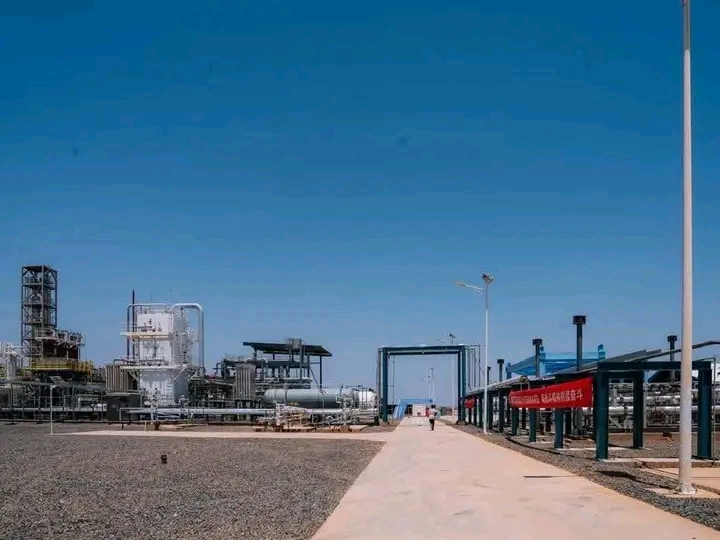
The recent launch of Ethiopia’s Ogaden Liquefied Natural Gas (LNG) Project in Calub, Somali Region, marks a turning point in the Horn of Africa’s energy landscape.
The project’s first phase is expected to produce 111 million liters of LNG annually, while the second phase will add an additional 1.33 billion liters per year. Alongside gas production, the facility will also generate 1,000 megawatts of power—a boost that positions Ethiopia as a future energy hub in the region.
But the significance of this mega-project, valued at around USD 10 billion including supporting infrastructure, extends beyond Ethiopia’s borders. Neighboring Somaliland, though not directly involved in the project, stands to gain substantial economic, social, and geopolitical benefits.
Understanding LNG: A Cleaner Energy Source
Liquefied Natural Gas (LNG) is natural gas cooled to about -260°F, which reduces its volume by 600 times, making it easier to store and transport.
Why it matters:
Power & Heating: LNG can provide stable, on-demand energy to complement renewables like solar and wind.
Industry & Transport: A cleaner option for heavy industries and long-haul transportation where electrification is limited.
Environment: Produces less CO₂ than coal and oil, making it the cleanest fossil fuel.
Globally, LNG is seen as a “bridge fuel” — a cleaner option that supports the transition to renewables while ensuring energy security.
Opportunities for Somaliland
1. Cheaper and Cleaner Energy Imports
Somaliland currently relies heavily on diesel generators for electricity, which are costly and polluting.
By importing LNG or even electricity from Ethiopia, Somaliland could lower energy costs, expand access, and reduce emissions.
2. Boost for Berbera Port and Trade Corridors
As a landlocked country, Ethiopia depends on ports to move goods.
Somaliland’s Berbera Port could become a strategic export hub for LNG shipments, creating jobs and revenue through logistics, warehousing, and shipping services.
3. Agriculture and Fertilizer Supply
The project will support fertilizer production, which is critical for boosting food security.
Somaliland’s farmers could access cheaper, locally sourced fertilizers, improving yields and reducing dependence on expensive imports.
4. Industrial Development
Affordable energy can power factories, cold-storage facilities, and agro-processing plants in Somaliland.
With LNG, industrial parks could flourish, attracting foreign investors and creating jobs.
5. Geopolitical Leverage
By positioning itself as Ethiopia’s natural energy trade partner, Somaliland strengthens its role as a secure, reliable corridor in the Horn of Africa.
This could enhance its political relevance and bargaining power internationally.
6. Technology and Knowledge Transfer
Ethiopia’s move into LNG, power generation, and even crypto-mining could bring new skills, technology, and investment opportunities that Somaliland can tap into—especially in renewable and digital sectors.
A Shared Future
The Ogaden LNG Project is a monumental step for Ethiopia, but its ripple effects will be felt across the Horn of Africa.
For Somaliland, it represents a chance to:
Cut energy costs
Strengthen food security
Grow industry and trade
Enhance its geopolitical standing
By leveraging its geographic advantage and fostering closer energy ties with Ethiopia, Somaliland can turn this regional project into a local opportunity for growth and stability.
more recommended stories
 My Country, Somaliland, Recognized
Our first embassy will be in.
 The Arithmetic of Erasure: Deconstructing Mogadishu’s Narrative
By Abdiwahab Sancawl When the UN.
 Somaliland Recognition: A Litmus Test for Israel’s Post Gaza Global influence
Israel’s recognition of Somaliland, a long.
-
Awdal’s Strategic Role in Somaliland’s Statehood and National Stability
The people of Awdal, particularly those.