
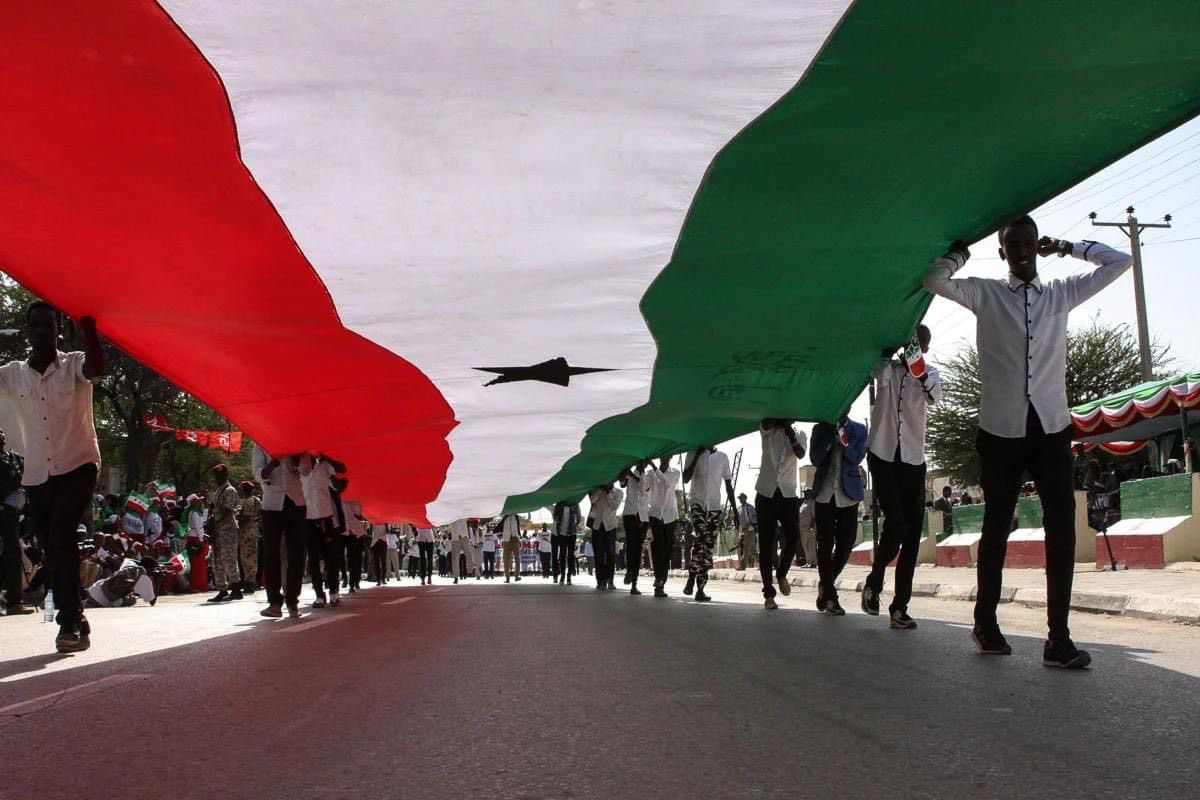
Fragile states do not collapse because of geography, nor do they endure because of luck. They rise or fall on the quality of their leadership. Institutions, aid, and even natural resources matter, but in moments of nation-building, it is the discipline, vision, and restraint of leaders that determine whether a people move toward peace or spiral back into chaos. Somaliland is living proof of this truth.
When the Somali Republic collapsed in 1991, Somaliland’s cities were in ruins and its people scarred by years of civil war. Yet rather than surrender to fragmentation, its elders and political leaders convened a series of reconciliation conferences between 1991 and 1997. These were not ceremonial rituals. They were painstaking negotiations that demanded compromise, patience, and vision. It was through these homegrown processes that Somaliland rebuilt trust across clans and established a framework for governance rooted not in foreign templates but in indigenous legitimacy. By the end of that decade, Somaliland had carved out a peace that endured, not because outsiders enforced it, but because its own people owned it.
Without international recognition, without billions in donor funding, and without the shield of foreign troops, Somaliland has managed to build one of the Horn of Africa’s most stable and democratic polities. It did so not by chance, but through deliberate leadership choices at pivotal moments in its modern history. That reality should force a reassessment in Western capitals, where too often fragile states are excused and rewarded, while success stories like Somaliland are left in limbo.
That foundation allowed for one of the Horn’s most remarkable milestones: the 2001 constitutional referendum. More than 97 percent of voters endorsed the charter, embedding democratic accountability into the nation’s political DNA. Nearly a decade later, in 2010, Somaliland delivered Africa’s first peaceful transfer of power from one elected president to another in a state without international recognition. In 2017, it repeated this achievement under even greater logistical and political strain. And most recently, in 2024, Somaliland reaffirmed its democratic vitality once again. Nearly 68 percent of voters opted to entrust leadership to a new administration over its predecessor, underscoring both the competitiveness of its system and the public’s confidence in its institutions. These were not accidents; they were the cumulative results of a political ethos that prioritized national survival over factional gain.
The contrast with Somalia could not be sharper. In Mogadishu, fragile institutions have too often been treated as spoils, enriching elites while eroding public trust. Elections are delayed, corrupted, and contested to the brink of violence. Stability rests not on legitimacy, but on international lifelines: African Union troops, Western aid, and diplomatic cover. Somaliland, by contrast, had no such safety net. Its leaders understood that legitimacy had to be earned directly from their people, not outsourced to external patrons. This is the starkest demonstration that leadership — not geography, not resources, not external backing — is the decisive variable in state-building.
Comparisons beyond the Horn reinforce the point. Singapore’s Lee Kuan Yew transformed a vulnerable city-state into a global powerhouse not through chance, but through discipline, pragmatism, and clarity of purpose. Rwanda’s Paul Kagame, though divisive, steered a nation shattered by genocide toward stability and growth. Somaliland belongs in this same comparative frame. Its leaders lacked recognition and donor dependency, but they shared with these transformative figures a core quality: the capacity to set aside narrow interests in pursuit of national survival.
For Western policymakers, the implications are profound. Recognition and resources are too often distributed based on diplomatic convenience rather than performance. Somalia continues to receive lifelines despite repeated failures of governance, while Somaliland — having delivered stability, security cooperation, and democratic accountability — is left outside the international system. This is not only unjust; it is strategically reckless. The Red Sea corridor is now among the world’s most contested zones, with global powers competing for footholds. Somaliland sits astride this corridor, offering the West a rare asset: a partner that is already stable, already democratic, and already aligned with Western security interests.
Somaliland does not ask for endless aid or foreign garrisons. It asks only for recognition of what it has already achieved. Its stability is not a miracle; it is the product of deliberate leadership and collective choice. In a world where international security depends on partners who can deliver rather than merely promise, Somaliland should not be seen as an anomaly but as a model. The choice before the West is stark: continue to reward fragility in Mogadishu, or embrace the quiet success story in Hargeisa. Leadership is destiny, and Somaliland has proven its destiny is stability. The question is whether the West has the vision to recognize it.
more recommended stories
 My Country, Somaliland, Recognized
Our first embassy will be in.
 The Arithmetic of Erasure: Deconstructing Mogadishu’s Narrative
By Abdiwahab Sancawl When the UN.
 Somaliland Recognition: A Litmus Test for Israel’s Post Gaza Global influence
Israel’s recognition of Somaliland, a long.
-
Awdal’s Strategic Role in Somaliland’s Statehood and National Stability
The people of Awdal, particularly those.