
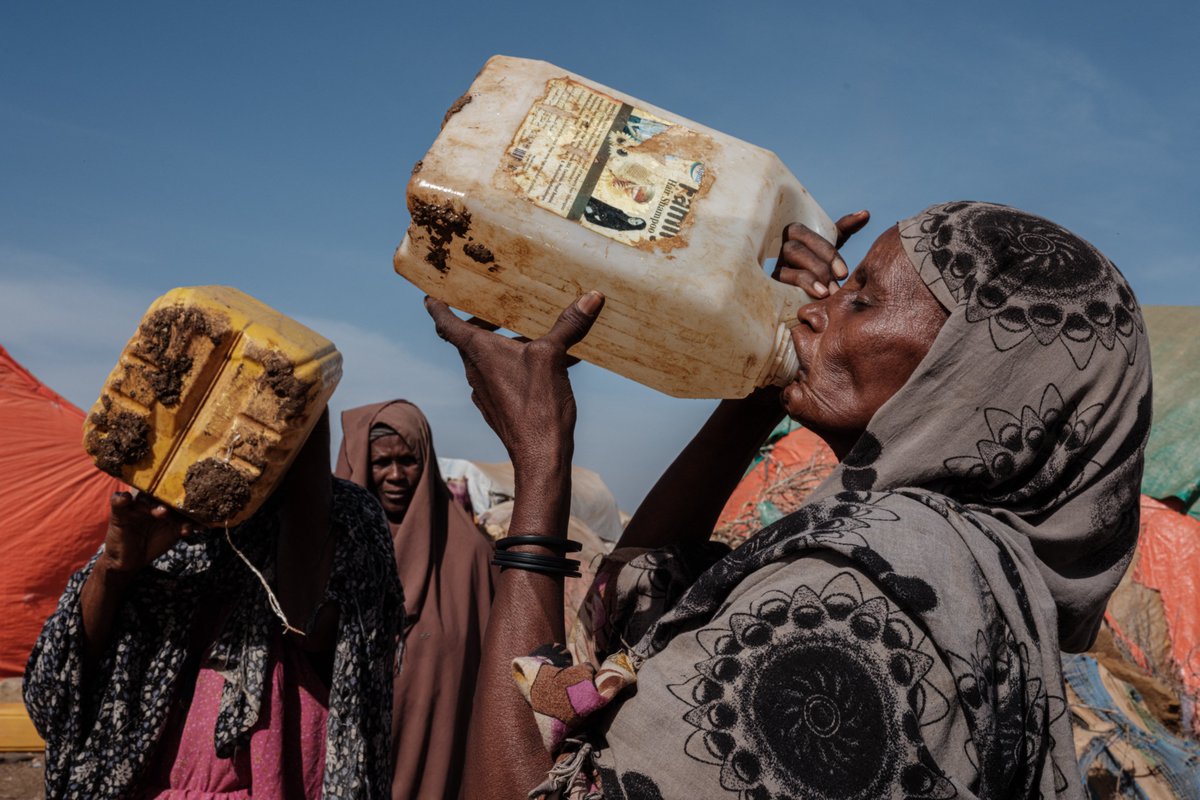
Somalia is grappling with a deepening humanitarian crisis in 2025 after sharp reductions in international aid left hundreds of thousands without access to life-saving services. Programs providing clean water, vaccinations, nutrition, and child protection have been scaled back or suspended just as needs surge across the country.
The most significant cuts have come from the United States, Somalia’s largest donor. U.S. assistance has dropped by 80%—from $765 million in 2024 to just $149 million this year—forcing the closure of clinics, the suspension of vaccination drives, and reduced access to food and safe water, particularly in rural areas and refugee camps.
Water and sanitation services have been hit hardest. Nearly 300,000 people have lost access to clean water, exposing communities to heightened risks of cholera and other waterborne diseases.
Meanwhile, preventable illnesses are spreading. Somalia has recorded more than 1,600 cases of diphtheria, with health officials warning that vaccine shortages and halted awareness campaigns are fueling the outbreak.
UN agencies and aid organizations are calling for urgent international support. UNICEF has underscored that critical needs in water, nutrition, health, and education remain largely underfunded in 2025.
With millions now at risk of malnutrition and disease, humanitarian groups are appealing to the global community to act swiftly to prevent the crisis from spiraling further.
more recommended stories
 My Country, Somaliland, Recognized
Our first embassy will be in.
 The Arithmetic of Erasure: Deconstructing Mogadishu’s Narrative
By Abdiwahab Sancawl When the UN.
 Somaliland Recognition: A Litmus Test for Israel’s Post Gaza Global influence
Israel’s recognition of Somaliland, a long.
-
Awdal’s Strategic Role in Somaliland’s Statehood and National Stability
The people of Awdal, particularly those.