
By Wangui Ngugi
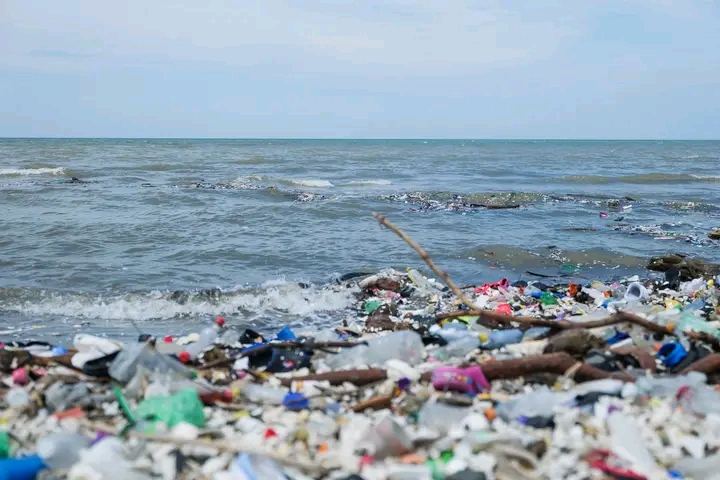
On a bright morning in Berbera, after a night on the water, a fisherman hauled his nets ashore and found—not just fish—but a tangle of plastic bottles and carrier bags. He’s not alone. From Hargeisa’s busy markets to the quiet coves along the coast, plastic has become an ordinary, unwanted part of daily life. Somaliland’s coastal communities—who rely on the ocean for food, income, and culture—are watching their shores and livelihoods change, and not for the better.
A recent study, “Mapping and Analysis of Somaliland’s Plastic Waste Value Chain,” puts it plainly: “Plastic collection, segregation and recycling infrastructure are still very weak.” That single line explains why fishermen pull up nets full of trash, why drains clog after rare rains, and why some families feel forced to burn mixed waste to clear space.
A Growing Threat to Land and Sea
Experts warn that the plastic discarded in inland towns could eventually find its way to the ocean, carried by wind and flash floods. Once there, it endangers marine life, contaminates seafood with microplastics, and threatens the fishing industry that feeds and employs thousands along the Gulf of Aden.
The consequences are both environmental and economic. Somaliland’s semi-arid climate makes every rainstorm consequential—when plastic blocks drainage, floods can sweep through markets and homes, ruining stock and damaging fragile shelters. Burning plastic waste releases toxic fumes that harm public health and worsen climate impacts. For coastal families, a plastic-clogged net means a lost catch, less food, and less income.
From Problem to Possibility
Yet this story is not only about loss—it is also about possibility. Where plastic appears, opportunity follows, if communities, leaders, and entrepreneurs choose to act.
Across Somaliland, informal collectors already pick, sort, and sell plastic waste. They work without regular pay or protective gear, but their efforts are the foundation of a circular economy in the making. Recognising and supporting these workers could rapidly scale up recycling and create dignified jobs, especially for women and young people.
The Solidaarisuus study underscores this potential: the plastic value chain could unlock new income streams if better organised. Bottles, wrappers and sachets are not just litter—they are raw materials for new industries.
Local Solutions with National Impact
The fixes are practical, local, and achievable.
Collection hubs near markets and landing sites would keep plastics out of gutters and rivers.
Low-tech sorting sheds could improve the quality and value of recyclables.
Buy-back schemes and guaranteed pickup routes would turn casual collectors into small business owners.
Community awareness led by mosque leaders, schoolteachers, and market elders could normalise waste separation faster than posters ever will.
Some innovators are already experimenting—turning shredded bottles into paving tiles, weaving strips into household goods, and selling recycled materials to local builders. With modest investment and coordination, these small efforts can grow into self-sustaining enterprises.
The Policy Gap
Somaliland has waste management frameworks on paper, but enforcement remains weak. Coordination between municipalities, small businesses, and NGOs is often fragmented. Experts urge stronger local leadership and consistent data sharing to attract donor and private sector investment in recycling.
A Cleaner, Fairer Future
Progress won’t come overnight. It starts with pilot projects that show visible results—cleaner markets, fewer blocked drains, and steady income for collectors. When these systems take root, benefits multiply: cleaner air from reduced burning, fewer floods from open drains, healthier fish stocks, and local jobs that keep money circulating in Somaliland.
Imagine Berbera a year from now: landing sites with neat sacks of sorted bottles ready for pickup; nets more often full of fish than foam; Hargeisa vendors separating packaging because buyers prefer clean supply; Burao cooperatives selling recycled tiles at local hardware shops.
These are modest images—but they add up to dignity, resilience, and prosperity.
A fisherman picks up a limp plastic bottle, taps it with his knuckle, and tosses it into a small pile for collection. The sea glitters behind him. “If we keep feeding the ocean our waste,” he says, “it will feed us less.”
That warning carries hope: if Somaliland changes what it throws away today, the ocean—and the nation—will give back better tomorrow.
more recommended stories
 My Country, Somaliland, Recognized
Our first embassy will be in.
 The Arithmetic of Erasure: Deconstructing Mogadishu’s Narrative
By Abdiwahab Sancawl When the UN.
 Somaliland Recognition: A Litmus Test for Israel’s Post Gaza Global influence
Israel’s recognition of Somaliland, a long.
-
Awdal’s Strategic Role in Somaliland’s Statehood and National Stability
The people of Awdal, particularly those.