
President Irro’s Dialogue-Based Approach Gains Momentum in Eastern Sool
Hargeisa, April 30, 2025 – In a significant step toward regional reconciliation, the Republic of Somaliland and Somalia’s Puntland State have carried out a formal Prisoner of War (PoW) exchange, signaling a renewed commitment to peaceful engagement and humanitarian diplomacy in the Horn of Africa.
The exchange saw Somaliland release 11 Puntland-origin PoWs through Hargeisa’s Egal International Airport, while Puntland freed 16 Somaliland PoWs, returning them safely to their homeland. The process was coordinated under government supervision and adhered to international humanitarian protocols.
A Step Toward Reconciliation
Somaliland’s Minister of Justice, Yonis Ahmed Yonis, lauded the exchange as a reflection of the new administration’s commitment to peaceful coexistence, particularly in contested and conflict-affected regions such as Eastern Sool.
“This exchange aligns with our government’s values and determination to resolve internal disputes through peaceful means,” Minister Yonis said.
“It also demonstrates Somaliland’s adherence to international norms on the treatment of prisoners.”
In Garowe, Puntland’s Minister of Justice, Mohamed Abdi Wahaab, echoed the sentiment:
“This is a positive step toward building mutual trust. It is deeply gratifying to see these young Somali men reunited with their families. Actions like this can mend wounds and bring our communities closer.”
President Irro’s Peace Agenda
This diplomatic milestone underscores a broader strategic shift under Somaliland President Abdirahman Mohamed Abdillahi “Irro”, who assumed office following the November 2024 elections. Unlike his predecessor, President Muse Bihi Abdi, whose administration took a hardline stance in Eastern Sool—relying on military deployment and territorial control—President Irro has emphasized dialogue, community engagement, and de-escalation.
His administration has worked quietly but effectively to establish local peace committees, engage clan elders, and facilitate communication between Hargeisa and leaders in the Eastern regions. The successful PoW exchange is the first visible outcome of these confidence-building efforts.
“Peace cannot be imposed—it must be negotiated and sustained,” a senior advisor to President Irro told Somaliland.com.
“The President believes in local solutions, not military solutions.”

Background: Eastern Sool and the Path to Stability
Eastern Sool, particularly around Las Anod, has long been a flashpoint in Somaliland–Puntland relations, with recurrent clashes over jurisdiction, identity, and governance. Under former President Bihi, the conflict intensified, leading to widespread displacement and strained clan relations.
Since taking office, President Irro has prioritized depoliticizing the conflict, focusing instead on stabilizing the region through reconciliation, amnesty offers, and reintegration programs. While challenges remain, the current administration’s emphasis on peace-first diplomacy is yielding tangible results—chief among them this recent prisoner exchange.
Humanitarian Impact and Future Prospects
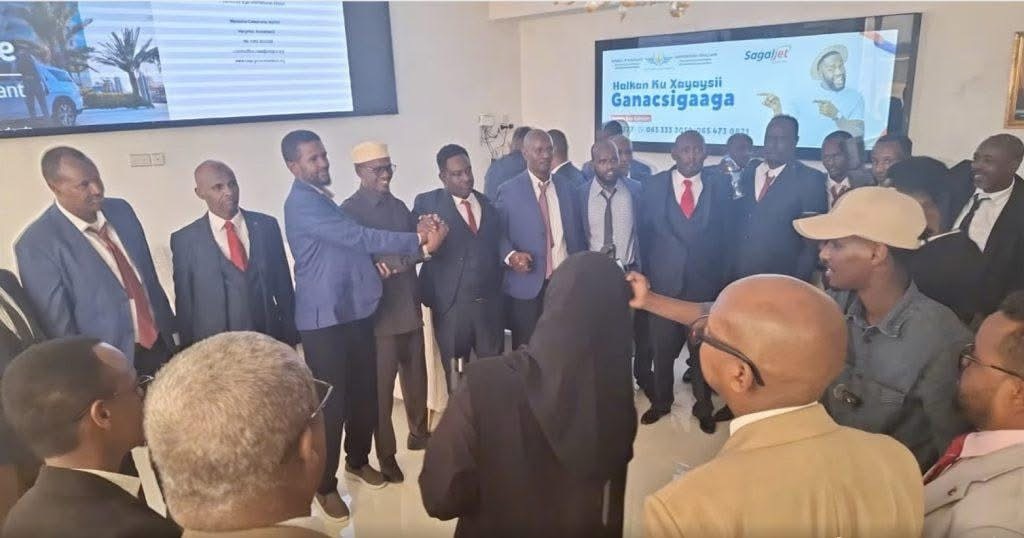
Beyond the political symbolism, the release of prisoners carries deep personal meaning for families torn apart by years of conflict. Images shared across social media show emotional reunions in both Hargeisa and Garowe, with community members welcoming the returnees as symbols of peace and healing.
The exchange is widely seen as a confidence-building measure that could pave the way for further cooperation on ceasefires, cross-border trade, and conflict resolution mechanisms.
A New Chapter for Peace in the Horn
While relations between Somaliland and Puntland remain complex and often fragile, this historic PoW exchange highlights what is possible when both sides prioritize dialogue over confrontation.
Under President Irro’s leadership, Somaliland is sending a clear message: stability and recognition begin with peace at home.
As the region watches closely, the success of this exchange could serve as a blueprint for broader reconciliation across the Horn of Africa.
more recommended stories
 My Country, Somaliland, Recognized
Our first embassy will be in.
 The Arithmetic of Erasure: Deconstructing Mogadishu’s Narrative
By Abdiwahab Sancawl When the UN.
 Somaliland Recognition: A Litmus Test for Israel’s Post Gaza Global influence
Israel’s recognition of Somaliland, a long.
-
Awdal’s Strategic Role in Somaliland’s Statehood and National Stability
The people of Awdal, particularly those.