
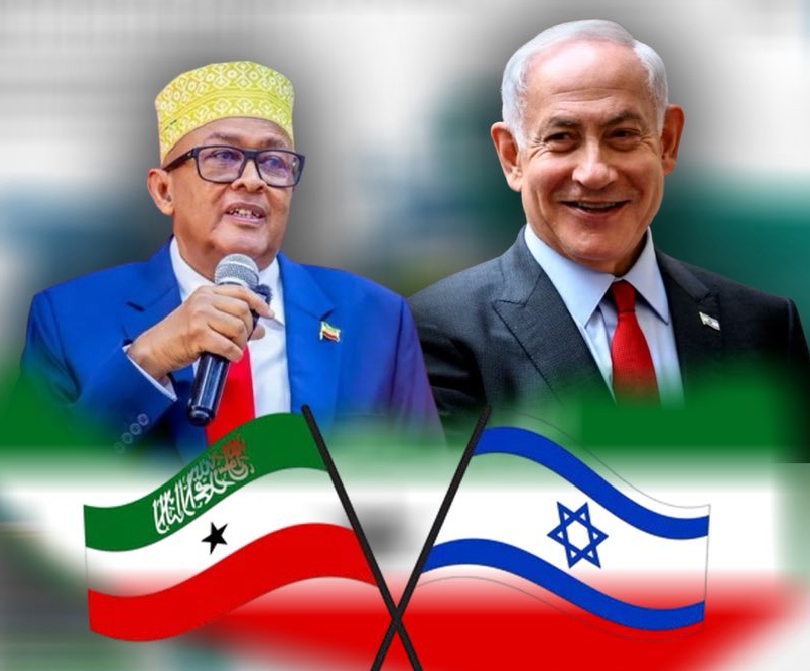
Israel’s recognition of Somaliland, a long unrecognized former British protectorate that has sought international recognition since seceding from Somalia in 1991, has sparked celebrations in Hargeisa and ignited debate across global newsrooms. The covert nature of the move has only intensified interest, both locally and internationally, and it took everyone by surprise.
The backlash has been swift. Arab led condemnation, as well as Somalia’s firm rejection of any division of its former territory, were anticipated. Yet for Somaliland, the greatest fear is not only domestic or international opposition but the perception that it has crossed a red line by aligning openly with Israel and potentially joining the Abraham Accords.
Both Israel and Somaliland have taken significant risks. For Israel, recognition may deepen isolation from Arab neighbors and other nations critical of its Gaza policies. It also challenges Africa’s post colonial consensus on borders, directly contradicting the African Union’s stance on the inviolability of inherited boundaries.
For Somaliland, the stakes are even higher amid shifting global alliances. Many Muslim majority countries view Somaliland’s move as a betrayal of the Palestinian cause. Worse, the Somali government and some Arab states could weaponize this recognition to portray Somaliland as anti Muslim. Reports indicate Somali officials have even called on Al-Shabaab to target Somaliland, underscoring the real security threats at play.
Despite these dangers, Somalilanders are elated to achieve recognition after thirty four years. Yet celebration is tempered by anxiety. The real risk lies less in terrorism or isolation and more in Israel’s long term commitment to sustaining this relationship. Many Somalilanders have openly embraced Israel, displaying flags on cars, walls and even on their faces. But there is apprehension that Israel might yield to external pressure, leaving Somaliland to face the international community alone. Another concern is whether recognition will translate into tangible economic or developmental support.
Ultimately, Israel’s recognition of Somaliland is a litmus test, one that will reveal the depth of its post Gaza global influence. To be meaningful, recognition must go beyond symbolism. Israel must demonstrate practical cooperation that benefits everyday Somalilanders, including agricultural innovation, water resilience projects, public health initiatives, workforce training, and technology partnerships that generate jobs and credibility. As the Jerusalem Post editorial aptly noted, “Somaliland wants allies and investment; Israel wants strategic depth and a reliable foothold in a volatile corridor. Both can be served through a development first partnership that is transparent and easy to verify on the ground.”
For Somaliland, the gamble is clear: decades of patience and careful diplomacy have culminated in this historic moment. For Israel, the test is equally stark. Can recognition be transformed into a durable, mutually beneficial alliance in a region where every move is scrutinized? The answer will define the limits and the possibilities of Israel’s post Gaza influence on the global stage.
more recommended stories
 My Country, Somaliland, Recognized
Our first embassy will be in.
 The Arithmetic of Erasure: Deconstructing Mogadishu’s Narrative
By Abdiwahab Sancawl When the UN.
-
Awdal’s Strategic Role in Somaliland’s Statehood and National Stability
The people of Awdal, particularly those.
 Global Expertise Network Welcomes Israel’s Recognition of the Republic of Somaliland as a Historic Step Toward Global Partnership
The Global Expertise Network (GEN), a.