
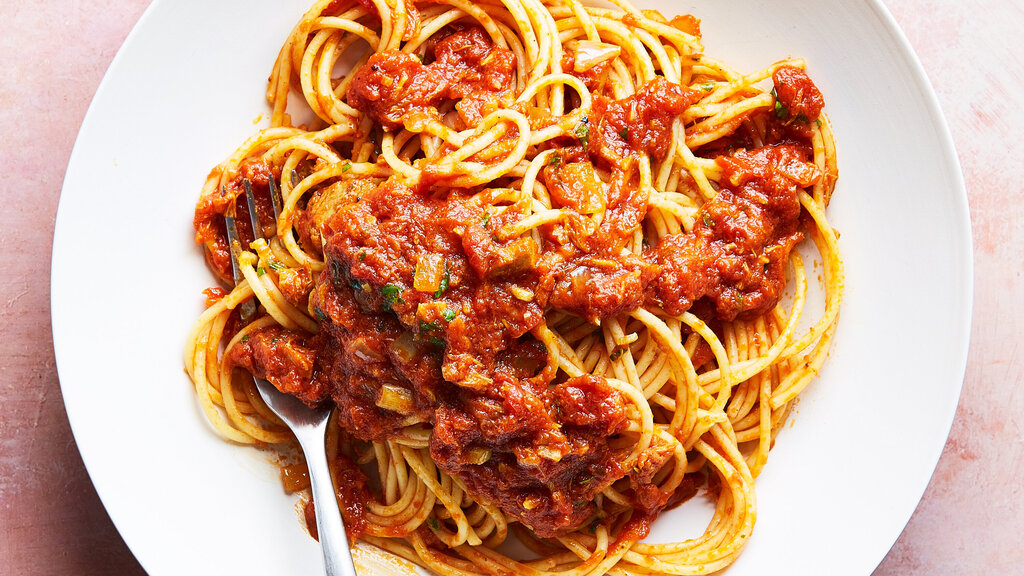
In the bustling streets of Hargeisa, rice and pasta reign supreme at the dining table. From family gatherings to daily meals, these starchy staples are everywhere. But behind the comforting plates of spaghetti and generous servings of rice lies a growing health concern that too few are talking about.
As modern life in Hargeisa becomes more fast-paced and urbanized, physical activity is on the decline—yet our carbohydrate intake remains high. This combination is silently fueling a rise in lifestyle diseases, posing serious risks to the health of the city’s residents.
Why Too Many Carbs Are a Problem
Rice and pasta are rich in starch, which the body quickly converts into glucose (sugar) during digestion. While our bodies need some sugar for energy, excess amounts—especially when not burned off through activity—get stored as fat.
Over time, consistently consuming more carbs than the body needs can lead to:
Weight gain
High blood sugar
Increased insulin resistance
Type 2 diabetes
High blood pressure
Heart disease
These conditions are not just abstract health risks. They are becoming increasingly common in Hargeisa, affecting both the young and old.
The Reality of Food Choices in Hargeisa
For many households in Hargeisa, daily meals are shaped more by affordability and accessibility than by nutritional value. The majority of the population relies on an energy-based diet—meals that are rich in starchy carbohydrates such as rice, pasta, and bread, but low in essential nutrients like fiber, vitamins, and healthy fats.
These foods are inexpensive, filling, and easy to prepare, making them the most accessible option for families across the city. However, they offer minimal nutritional benefit. When consumed frequently and without balance, this type of diet contributes to hidden malnutrition. People may feel full, but their bodies are deprived of key nutrients needed for sustained health.
This widespread dependence on low-cost, carb-heavy meals is a key factor behind the rising rates of weight gain, high blood pressure, and type 2 diabetes in Hargeisa.
A Lifestyle Shift in Hargeisa
Traditionally, many Somalis led active lives—herding livestock, walking long distances, or working outdoors. But in today’s Hargeisa, more people are living sedentary lives, working desk jobs, driving cars, and spending more time indoors. Exercise is no longer a built-in part of daily routines, and walking has become optional for many.
This shift means the high-carb meals that once fueled active bodies are now contributing to fat buildup and declining health.
What Can Be Done?
1. Balance the Plate
Instead of filling half the plate with rice or pasta, try adding more vegetables, legumes, and lean proteins. Reduce portion sizes of starches and replace refined carbs with whole grains like brown rice.
2. Move More
You don’t need a gym membership to stay active. Walk around your neighborhood, take the stairs, or do simple home exercises. Just 30 minutes of daily movement can make a big difference.
3. Community Awareness
Schools, mosques, and local leaders can play a key role in promoting health education. Awareness campaigns about diet and physical activity can encourage healthier habits across all age groups.
4. Rethink Cultural Norms Around Food
Sharing large, carb-heavy meals is a valued cultural practice, but small changes—like serving more balanced dishes—can help protect loved ones from health risks.
Conclusion
Hargeisa is growing and changing, but with that growth comes new health challenges. It’s time to have an honest conversation about diet and exercise before lifestyle diseases become a public health crisis.
Let’s move more, eat smarter, and make health a community priority.
more recommended stories
 My Country, Somaliland, Recognized
Our first embassy will be in.
 The Arithmetic of Erasure: Deconstructing Mogadishu’s Narrative
By Abdiwahab Sancawl When the UN.
 Somaliland Recognition: A Litmus Test for Israel’s Post Gaza Global influence
Israel’s recognition of Somaliland, a long.
-
Awdal’s Strategic Role in Somaliland’s Statehood and National Stability
The people of Awdal, particularly those.